The event industry is undergoing a real green revolution. As environmental awareness intensifies, organizing more responsible events is becoming a priority. One figure speaks for itself: a seminar of 300 participants generates on average over 100 kg of non-recyclable waste. Faced with this reality, aiming for a zero waste seminar is no longer just desirable it is essential. Below, discover a step-by-step guide to organizing a waste-free seminar while strengthening your brand image and engaging your teams around a shared goal.

Why aim for zero waste in event planning?
Thought-provoking figures
According to ADEME, the French Agency for Ecological Transition, an event with 5,000 participants can produce up to 2.5 tons of waste, consume 1,000 kWh of energy, and waste 500 kg of paper. A considerable environmental impact, often invisible but very real.
Strong expectations from companies and employees
Employees, especially younger generations, are increasingly attentive to their employer’s environmental commitments. They expect concrete actions beyond speeches and value companies that demonstrate their engagement through visible initiatives, such as organizing eco-friendly events.
At a time when the search for meaning has become a key factor in choosing an employer, these actions can make a real difference.
An asset for your brand image
Organizing a zero waste seminar enhances your CSR strategy, strengthens your credibility, and positions your company as a committed player. Nearly 60% of business leaders now see CSR as a strategic lever for attracting and retaining talent, according to the 2023 Audencia-BVA Barometer.
Organizing an eco-responsible seminar has thus become a real asset in employer branding.
Anticipating and planning a zero waste seminar
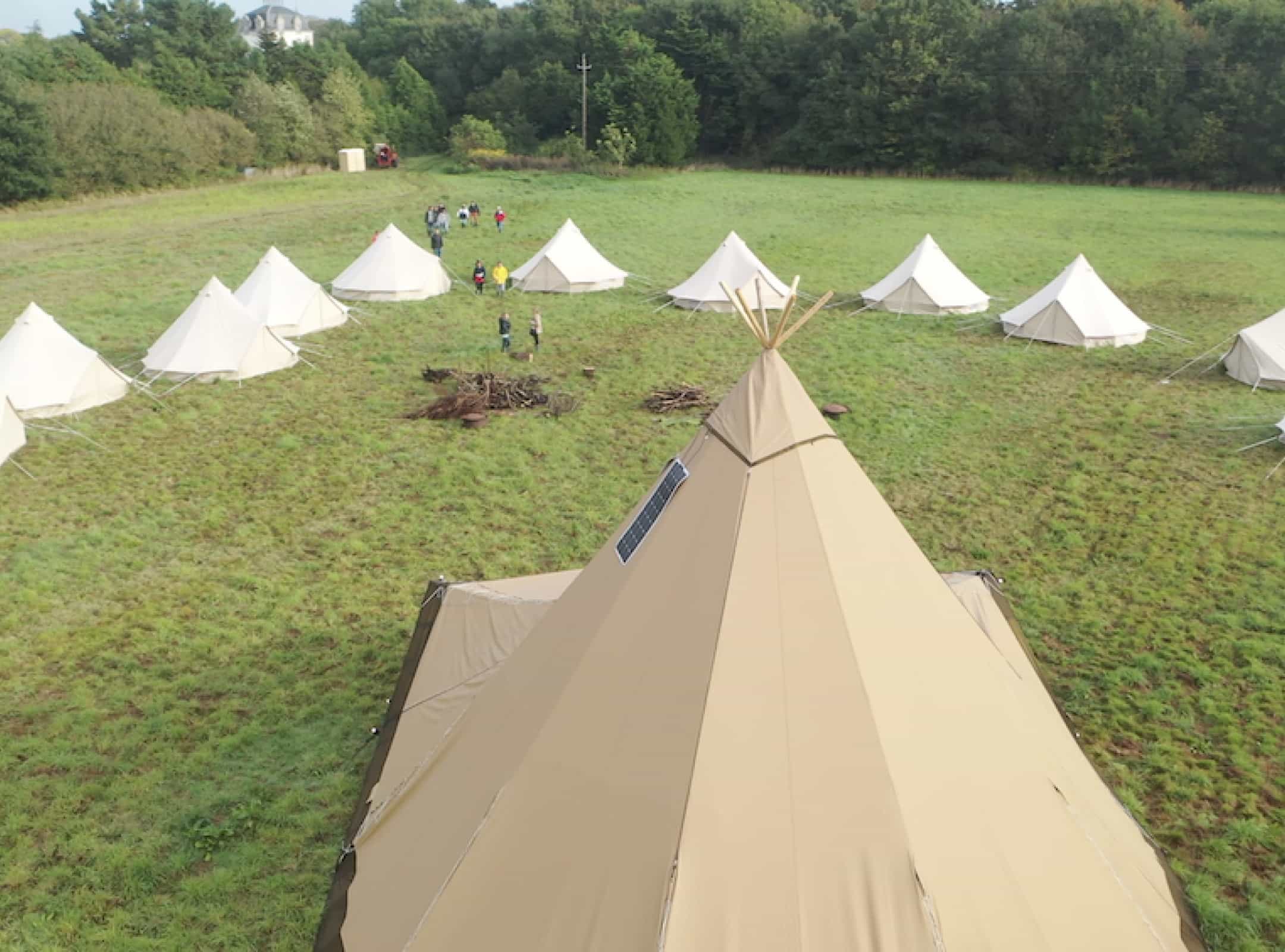
Choosing a committed venue
For the greenest seminar possible, choose spaces with a clear policy on waste management, green energy, and carbon footprint reduction. Some venues even offer environmental impact tracking tools.
Selecting responsible suppliers
Local organic caterers, eco-designed signage, reusable furniture: every supplier choice matters. Ideally, you create a virtuous chain where all providers share your goals.
Setting measurable objectives
Define your objectives precisely : zero single-use plastic, 100% waste sorting, composting organic waste, etc. These goals must be shared with all stakeholders and participants.
Promoting eco-friendly transportation
Transport is a major source of an event's carbon footprint. Choose locations easily accessible by train or public transportation, offer collective shuttles from nearby stations, and encourage carpooling through dedicated planning tools. You can also offset any remaining emissions by supporting certified environmental projects.
Concrete solutions to reduce waste during a seminar
Durable furniture and structures
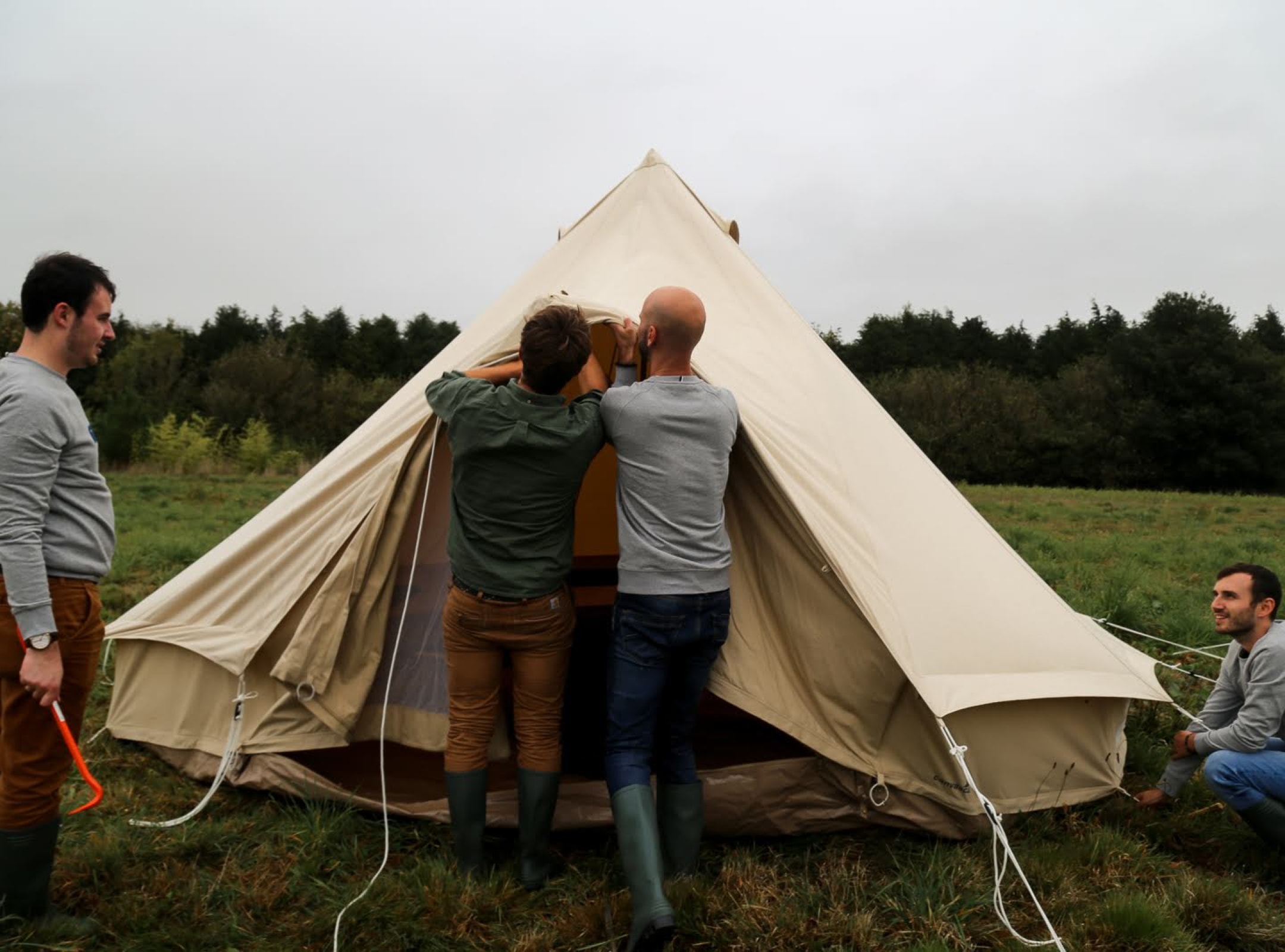
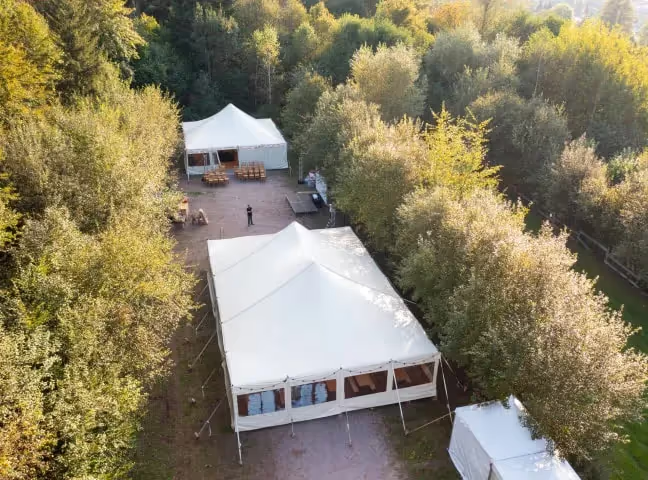
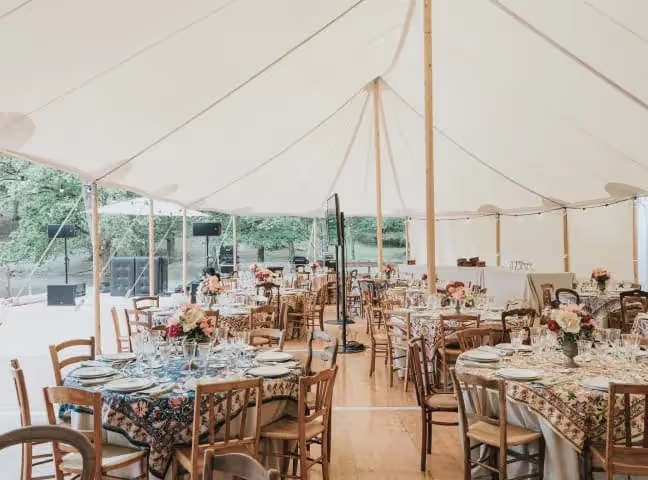
With Atawa, you can rent durable furniture, decorations, and tents designed for reuse, assembled and disassembled with circular economy principles. A solution that is both practical and ecological!
Eco-responsible catering
Choose a caterer who focuses on local sourcing, vegetarian menus, and plastic-free presentation. Buffets served in reusable jars, washable or compostable dishware: there are plenty of alternatives to minimize the ecological impact of your event.
Durable tableware and containers
Say goodbye to plastic plates : opt for stainless steel, glass, or compostable tableware. Deposit systems also make it easy to recover reusable items without impacting guest experience.
Eco-friendly decoration
What would an eco-responsible seminar be without green decor? To fully embrace the "zero waste" spirit, rent reusable elements and recycle flowers and materials after the event. Temporary setups can also be sustainable!
Badges, goodies and stationery
Favor digital solutions for badges and programs. If you wish to offer gifts, choose useful, durable, and locally made items (reusable bottles, recycled paper notebooks, etc.).
Managing food surplus
Even with perfect planning, some food surplus may remain. To avoid waste, work with your caterer to fine-tune quantities and plan for redistribution. Organizations such as Linkee or Too Good To Go help facilitate food donations after an event. You can also invite participants to take leftovers home in reusable containers.
Engaging participants
Communicating beforehand
Prepare your guests! From the invitation stage, explain that the event will focus on zero waste. Provide practical tips (such as bringing their own water bottle). You could also send an information kit beforehand, including a simple checklist of eco-friendly actions.
Encouraging eco-actions
On-site, clearly indicate waste sorting stations, propose workshops on eco-responsibility, and recognize participants' efforts. Install fun and interactive signs to explain the positive impact of small actions throughout the event.
Collaborating with local partners
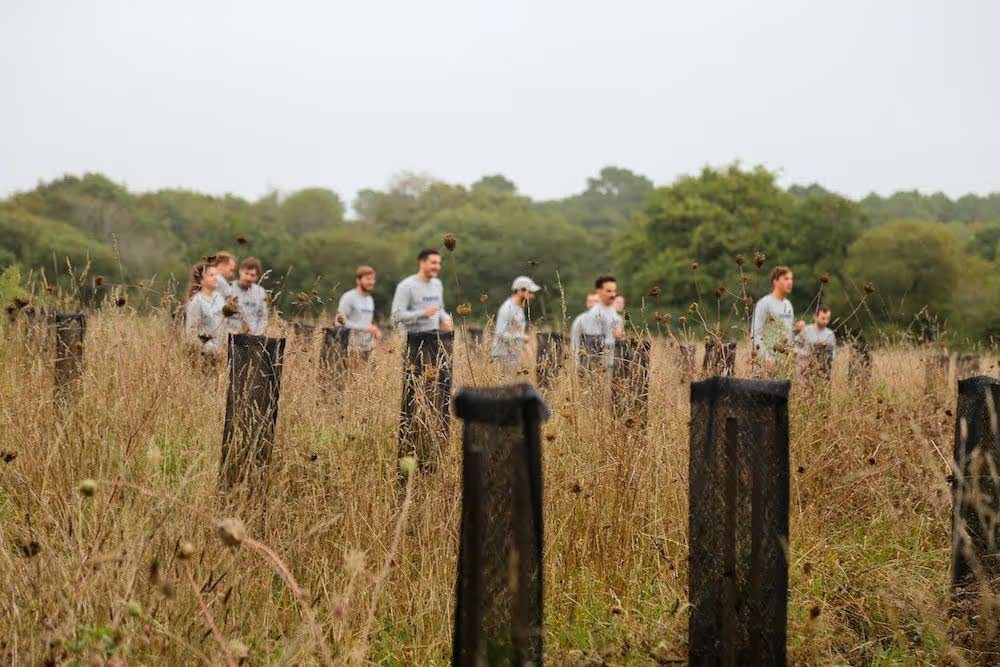
Engage associations or start-ups working in the circular economy or waste management sectors. This also strengthens your connection to the local community. For instance, you could organize a workshop led by a local recycling or upcycling expert.
Measuring and promoting the impact
Tracking the results
Quantify waste avoided, recycled, or composted using tracking tools. This allows you to measure your progress and identify areas for improvement in future events.
Communicating after the event
Share an impact report with photos, testimonials, and key figures. It’s an excellent way to reinforce team pride and inspire other initiatives.
Promoting your commitment
Highlight your efforts in internal and external communications : CSR reports, social media, press releases, etc. Every action contributes to strengthening your reputation as a responsible leader.
Obtaining certifications and labels
To formalize your commitment, consider aligning your seminar with best practices in the sector, such as ISO 20121 (sustainable events) or local eco-responsibility labels. Even without official certification, communicating transparently about your efforts across your communication channels will enhance your environmental credibility.
Organizing a zero waste seminar is no longer just a choice—it is a true commitment to a more sustainable future. From planning to action, every detail becomes an opportunity to innovate, inspire your teams, and give your event greater meaning.
By rethinking your practices, you lay the foundation for a lasting positive impact, well beyond the day of the seminar.
With Atawa, design eco-responsible seminars with customized solutions to reduce your environmental footprint. Choose our sustainable structures, furniture, and services to turn your event into a powerful lever for positive change.



Ile-de-France・Centre-Val de Loire
01 79 75 89 87

Provence-Alpes-Côte d’Azur・Corse
04 84 49 62 64
Nouvelle-Aquitaine
05 35 54 59 88
Hauts-de-France・Normandie
03 74 09 83 62
Bretagne・Pays de la Loire
02 57 64 07 94
Grand-Est・Bourgogne
03 52 74 06 68
Auvergne-Rhône-Alpes
04 28 29 61 35
Occitanie
05 82 95 39 28
Switzerland
+41 076 504 33 02
subtitle
Product name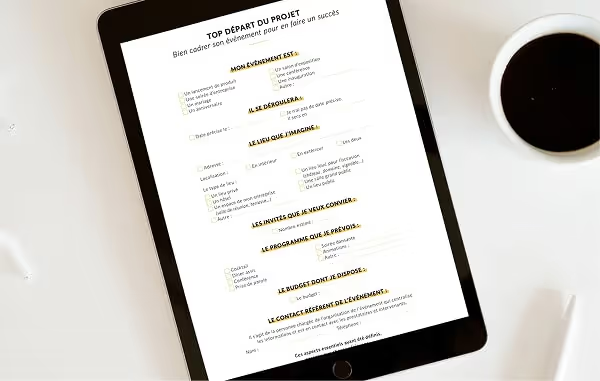
Discover the Atawa Guide
The Atawa Guide is the new essential tool for organizing your events: from launching your project to bringing it to life, no detail has been overlooked to ensure your event's success.