Planning an event means juggling a thousand details—and choosing the right reception tent is one of the biggest decisions. A countryside wedding in France, a corporate reception, a festival… the type of event you’re organising will shape which structure best welcomes your guests in comfort and safety. To help you find the option that truly fits your needs, here’s a complete guide to the key points to check.
Our most popular tent styles in France
Our most requested formats include:
- the dual-pitch reception tent (classic frame tent);
- the Stretch tent (nomadic tent);
- Pagoda tents;
- the Silhouette tent;
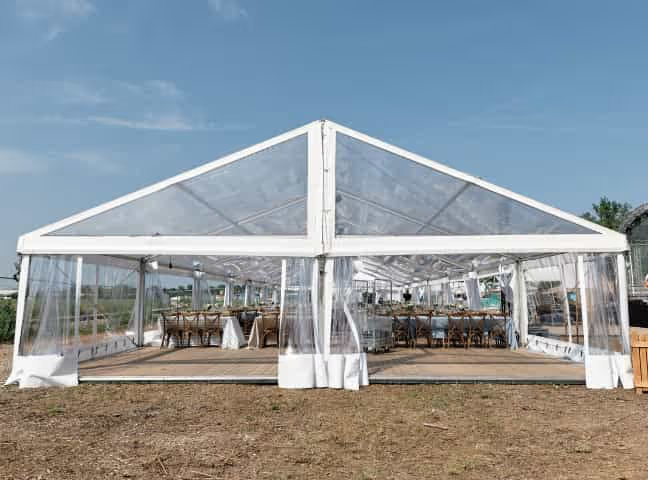
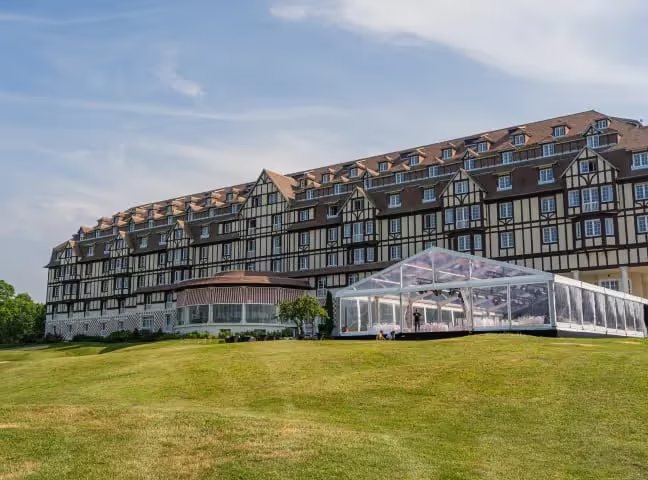
- the Glass marquee / transparent structure;
- the Arched tent;
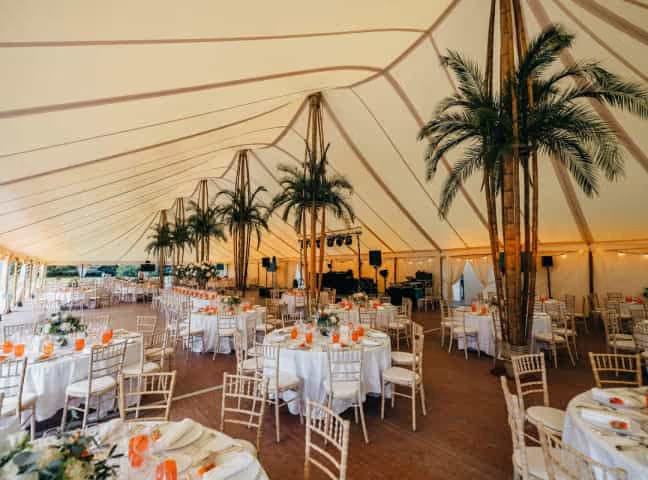
- the Bamboo marquee;
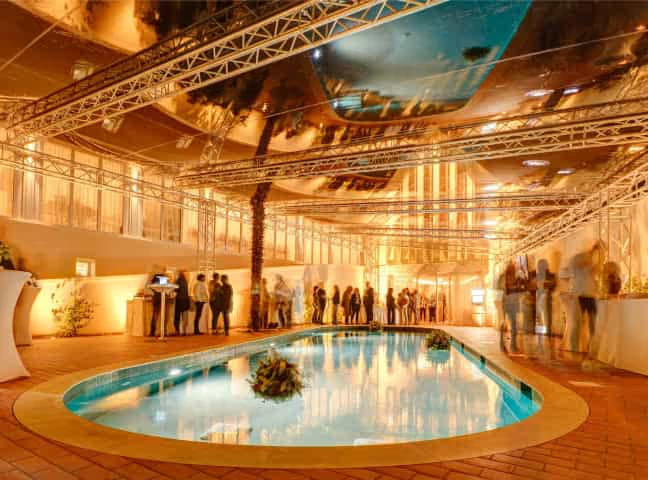
- the Truss structure.
Key criteria for choosing the right reception tent rental
A successful installation starts with a precise assessment of the surface area and intended use. Poor sizing can impact guest comfort—and safety.
How many square metres do you need? Choosing the right tent size in France
Size is essential for guest comfort. It depends on your headcount, the available space on site, and the layout you want. Define your setup in advance: will guests be standing, seated, or a mix of both?
Below are the standard space requirements per person depending on the type of event.
Simply multiply the recommended space by the number of guests to estimate the minimum tent size. For example, a classic dual-pitch reception tent is often chosen for large-scale events in France thanks to its modular structure and its ability to be installed over a professional event floor.

Choosing the right reception tent for your event in France
Your event type will naturally guide you toward a specific structure. Here’s an overview of the main options.
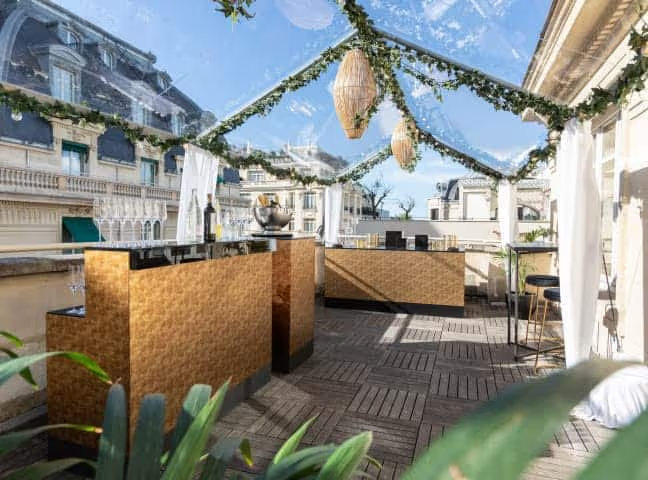
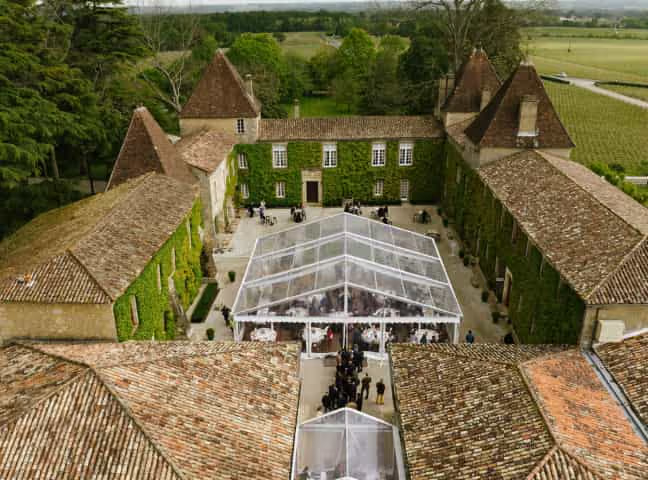
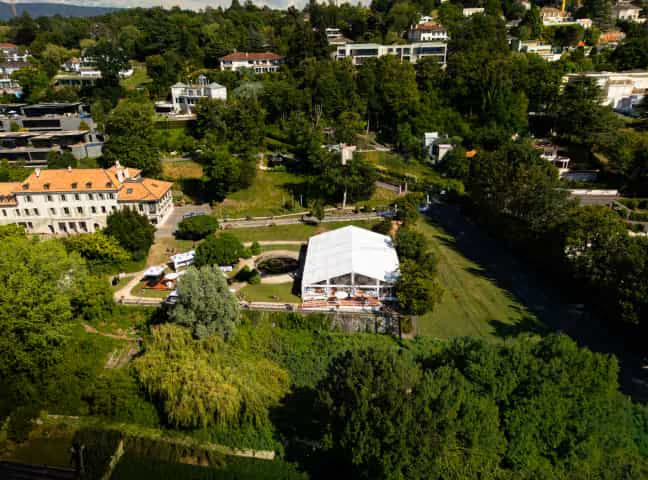
- Clear Roog Marquee (and fully transparent structure with a wood-effect finish) suit many events, from elegant weddings to corporate galas. Modular and flexible, they can be used alone or connected to create large spaces. They also allow extensive customisation through ceiling drapes (velums), pole and wall coverings, partitions, or fully transparent panels to showcase the surrounding landscape.
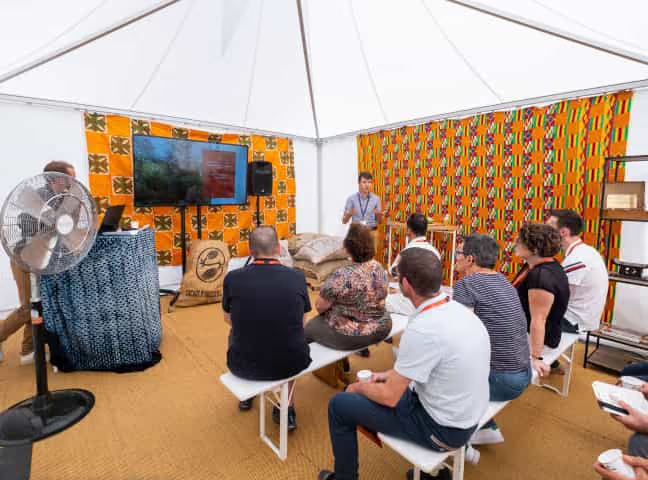
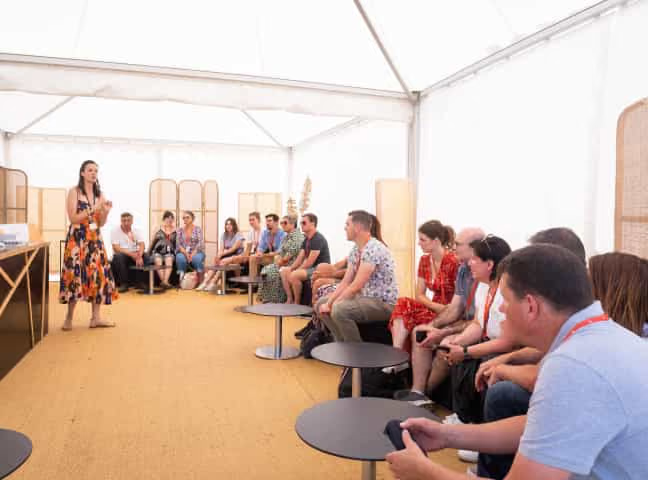
- Perfect for a countryside wedding in France or a cosy, boho-style product launch, the Stretch tent opens to the outdoors and delivers a nomadic aesthetic your teams and guests will love—guaranteed wow factor.
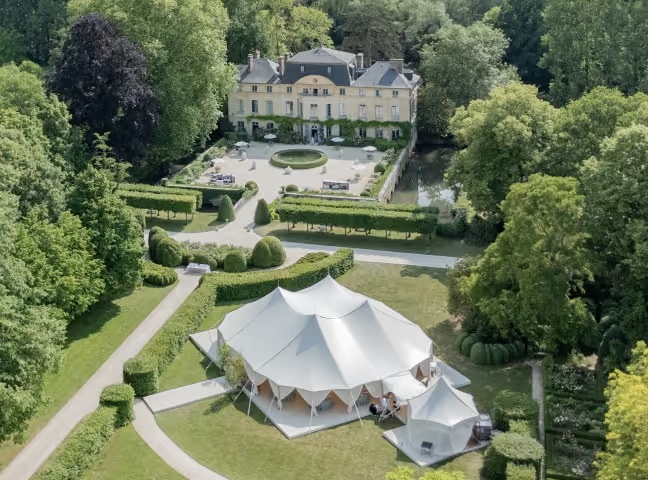
- Elegant and refined, the Sailcloth tent is ideal for adding a chic, natural touch to a seated dinner. Unlike a Stretch tent, this structure with wooden poles can be fully enclosed and heated for greater comfort.
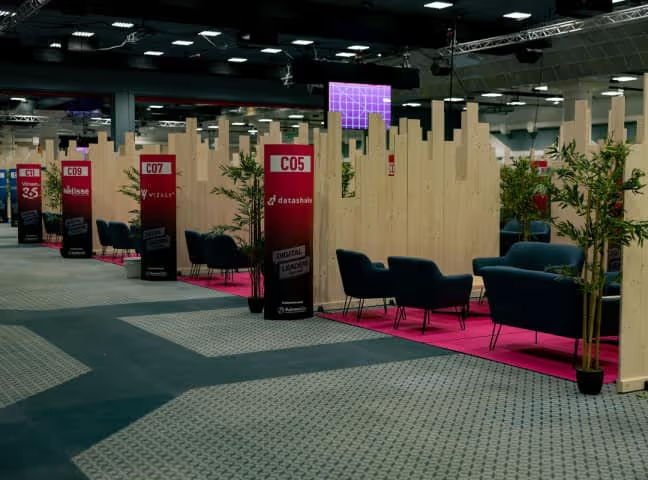
Primarily designed for corporate events, the Truss structure is ideal for technical builds or specific acoustic requirements. Fully flexible and customisable, it can be dressed to match your brand identity.
Looking for something unusual in France? A geodesic dome creates a unique visual impact and delivers an innovative structure that’s quick to deploy.

What materials should you choose for a reception tent in France?
Materials directly impact durability and weather resistance. At Atawa, we select fabrics and structures that meet strict safety standards to ensure your outdoor event runs smoothly.
Main materials: PVC, Crystal and Lycra
Some structures, such as the Bamboo marquee or the Sailcloth tent, are designed to withstand changing weather conditions. Waterproof and adaptable, they can be opened or closed, heated, resist winds up to 100 km/h, and even support up to 4 cm of snow.
The Velum tent, with its opaque canvas, helps heat the structure quickly and cost-effectively.
💡 Atawa technical expertise in France
To guarantee this level of resistance, we use high-density PVC fabrics (often 500 g/m²) that comply with M2 fire-safety standards, essential for both corporate events and weddings in France.

For hot-weather events where you want shade while still enjoying the outdoors, open structures like Lycra canopies and Stretch tents—both waterproof and UV-resistant—are often the best choice.
Elegant and refined, the Crystal tent blends into any setting thanks to its transparent fabric. It adapts to weather conditions: it can be fully enclosed with curtains or thermo-stretched crystal panels. Two crystal qualities are available depending on the desired effect: new crystal or second-choice crystal. Budget plays a role, but for roofs and curtains, thermo-stretched crystal must be new.
Tents generally come in three main colours: white, opaque white (blocks light), and crystal (glass-clear). Some models are also available in ecru and beige, such as Stretch and Sailcloth tents.
Explore our full range of reception tent rentals in France
Choosing the right structure for your tent rental in France
A tent’s structure defines both its look and its performance. Here are the main options and what makes them unique.
- Stretch tent (Nomadic): known for its organic elegance. Eucalyptus poles and flexible fabric adapt to any terrain and allow bespoke configurations—ideal for a “relaxed chic” atmosphere.
- Bamboo marquee: an airy, eco-inspired alternative. Natural poles create a warm, high-end ambiance—perfect for weddings and themed events.
- Clear Roof marquee: fully transparent for total immersion. Enjoy the landscape by day and dine “under the stars” at night—while staying protected.
- Truss structure: modern and technical. Using lighting trusses, it offers an industrial, modular look—ideal for corporate events or contemporary private parties.
- High-end “pavilions”: for an architectural feel close to a permanent venue, choose options like the Orangery, Eben tent, or Glass Wall Tent These dressed structures minimise the “tent” look and create a true prestige reception space.

Technical questions to ask before renting a reception tent in France
Budget: how much should you plan for a tent rental in France?
Price is often decisive. Beyond rental itself, consider associated costs: installation, surface area, and seasonality.
- Quality & origin: premium structures with distinctive design or French manufacturing cost more due to material quality and maintenance requirements.
- Maintenance: immaculate cleanliness has a cost. Manual cleaning of fabrics and maintenance of aluminium structures after each use requires significant labour.
- Location: beyond distance (fuel, tolls), pricing reflects local market realities and regional competition.
- Site access: difficult access for trucks can require extra handling or specialised lifting equipment.
- Ground conditions: soft or sloped terrain may require complex ballast or levelling techniques—adding time and equipment costs.
- Seasonality: prices fluctuate across the year, and some models may be unavailable during peak summer dates.
Installation and transport logistics
Consider setup constraints. Stretch tents and pagodas offer flexibility: they can be installed with or without flooring and adapt to various terrains.
However, more technical structures, such as polygonal tents or truss builds, may require specific equipment and can generate additional logistics costs.
💡 The Atawa advice
For a corporate event or a wedding in France, a safe installation always starts with a prior technical site survey to validate truck access and the ground’s load-bearing capacity.
Customising your reception tent and adding accessories
A customised tent that matches your event universe makes a real difference. Common options include:
- lighting;
- heating;
- decorative elements;
- furniture;
- sanitary facilities.
Optimising circulation and furniture layout
Floor layout is strategic for smooth circulation. Table shape affects space: rectangular tables optimise volume (L, U or T layouts), while round tables encourage conviviality.
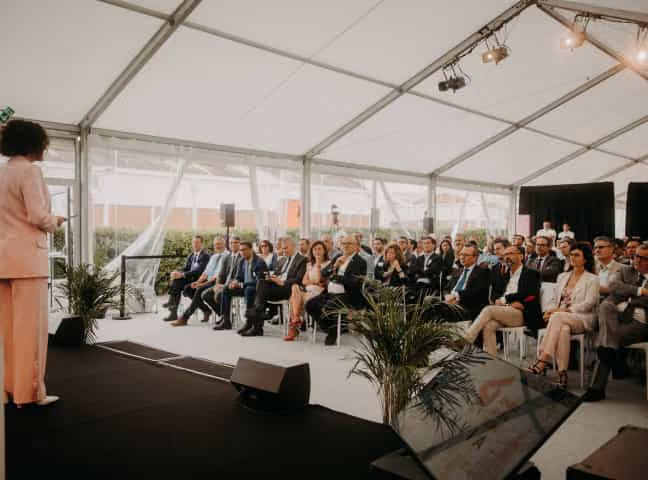
For corporate events, a standing audience facing a central stage maximises capacity while keeping attention focused.
Key areas to plan carefully:
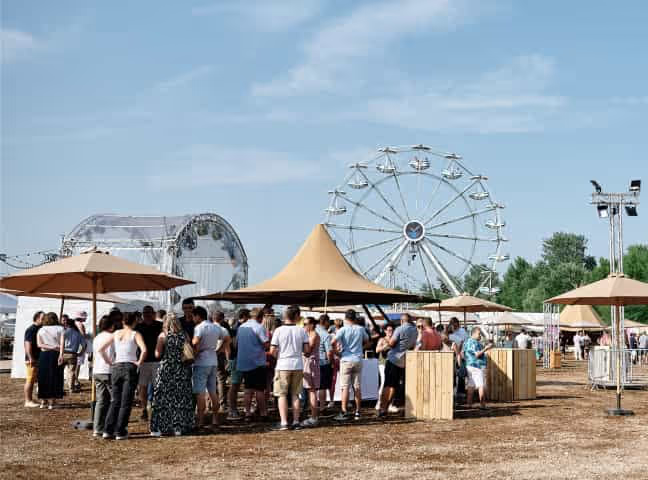
- The bar: ideally central—becomes the event’s heartbeat, improves flow, and encourages interaction.
- Catering/back-of-house: place near the prep area or mobile kitchen; use partitions or fabric dressing to hide service traffic without breaking the aesthetic.
- Dance floor: a central position creates a unifying atmosphere. For clear “dinner vs party” moments, a dedicated annex tent for dancing is a great option.
💡 The Atawa advice
To ensure event safety, keep kitchen access routes and emergency exits completely clear at all times.
Elevating the space: lighting and décor for an event in France
Ceiling draping (velum) dramatically changes perceived volume. Pleated velum adds warmth and intimacy, while stretched velum preserves height and improves acoustics.
Lighting should match the structure:
- Stretch or Bamboo tents: garlands and LED spots on poles for an intimate feel.
- Clear roofs: chandeliers for an elegant, even diffusion.
💡Atawa décor tip
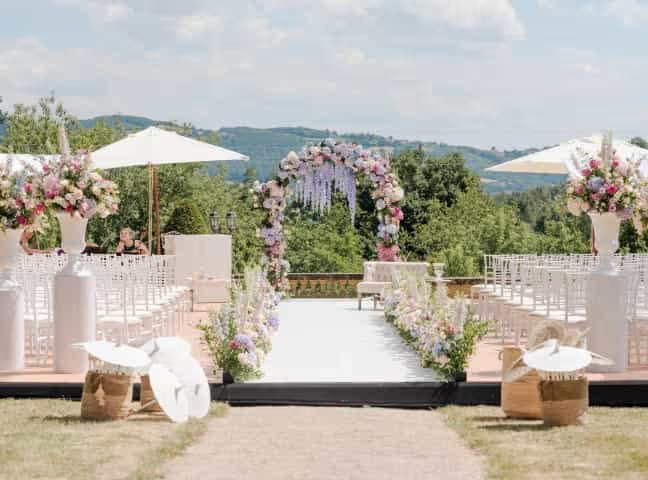
Don’t underestimate greenery! Floral arches at the entrance or hanging installations add character. The ultimate trick: integrate existing vegetation (trees, beds) inside the tent for a striking indoor-outdoor effect.
Warranty and after-sales support in France
Event success depends not only on infrastructure quality, but also on supplier reliability. Choosing Atawa means full peace of mind, with end-to-end support.
From the design phase, an expert helps turn your ideas into reality while respecting your budget, including:
- 3D design: precise visualisation to validate the layout before installation;
- technical site survey: to propose solutions adapted to your terrain constraints.
In addition, a site coordinator is typically present one or two days before the event to deliver and build the required infrastructure.
Strong customer support is essential—especially for last-minute needs on event day. Choosing a tent supplier in France known for responsiveness and reliable execution can make all the difference.
Discover our past events in France
Choosing the best reception tent: 5 key takeaways
- Size your tent based on guest count and layout (standing cocktail, seated dinner, conference) to ensure comfort, circulation and safety.
- Match the structure to the event: Crystal for immersion, Stretch for a nomadic feel, Truss for technical staging, Orangery/Glass marquee for an architectural finish.
- Anticipate site constraints (truck access, soil bearing capacity, slope, surroundings) as they impact logistics, installation and overall budget.
- Choose materials compliant with current standards (high-density PVC, M2 fire rating) for weather resistance and peace of mind.
- Plan the interior layout early: flooring, lighting, heating, furniture and circulation shape the experience as much as the tent itself.
FAQ – Tent rental in France: common questions
How far in advance should the tent be installed?
Timing depends on size and complexity. A standard tent for a wedding or private reception in France is usually installed one to two days before the event. For more ambitious builds (truss structure, glass marquee, technical flooring, complex terrain), extra time is added for delivery, levelling, lifting, safety checks and finishing.
What tent size do I need for my number of guests?
Surface area depends on the layout:
- standing cocktail: 0.5 to 1 m² per person;
- seated dinner with rectangular tables: around 1.2 m² per guest;
- seated dinner with round tables: up to 1.5–2 m² per guest to keep service flow and comfort.
Add functional spaces too: dance floor, central bar, stage, technical control area, catering/back-of-house. A precise estimate requires a full site layout plan.
What budget should I plan for a tent rental in France?
Budget varies based on:
- tent type (Crystal, Stretch, Orangery, Truss structure…);
- total surface area and ceiling height;
- time of year (higher rates in peak summer season);
- event location in France;
- access and terrain constraints;
- options: flooring, heating, architectural lighting, textile dressing, furniture.
A tailored quote based on a technical site visit remains the most reliable way to get an accurate estimate.
Which tent should I choose depending on season or weather in France?
In summer, open structures like Stretch tents and Lycra canopies improve ventilation while providing UV protection. Waterproof fabrics protect against sudden showers.
In mid-season or winter, enclosed Crystal, Silhouette or Bamboo tents retain heat when fitted with curtains or transparent panels. Adding suitable heating and an insulated floor stabilises temperature. Some structures can withstand winds up to 100 km/h and significant snow load, subject to a prior technical assessment.
Do I always need flooring?
Not always, but it can transform guest experience. On uneven or wet ground, flooring improves stability, safety and comfort, and helps with furniture, bars and dance floors.
For corporate events or high-end weddings in France, flooring creates a clean, consistent base regardless of terrain. On a perfectly level and well-drained site, some Stretch or Bamboo tents can be installed directly on the ground for a more natural feel.
Is installation and dismantling included?
Atawa teams handle the full process: transport, installation, levelling, safety checks, then dismantling after the event. An expert supervisor coordinates the build to respect the timeline and manage interactions with other suppliers—ensuring smooth execution and compliance with current standards.
Conclusion: choosing a reception tent in France
Renting a reception tent is not just an aesthetic decision, it involves practical, technical and budget considerations. The key is careful planning and an informed selection to ensure your outdoor project runs flawlessly.
With the advice in this guide and the expertise of an experienced tent supplier in France like Atawa, you’ll create an event your guests won’t forget—comfortable, safe, and protected from unpredictable weather.
Article updated on February 18, 2026
Ile-de-France・Centre-Val de Loire
01 79 75 89 87
Provence-Alpes-Côte d’Azur・Corse
04 84 49 62 64
Nouvelle-Aquitaine
05 35 54 59 88
Hauts-de-France・Normandie
03 74 09 83 62
Bretagne・Pays de la Loire
02 57 64 07 94
Grand-Est・Bourgogne
03 52 74 06 68
Auvergne-Rhône-Alpes
04 28 29 61 35
Occitanie
05 82 95 39 28
Switzerland
+41 076 504 33 02
subtitle
Product name
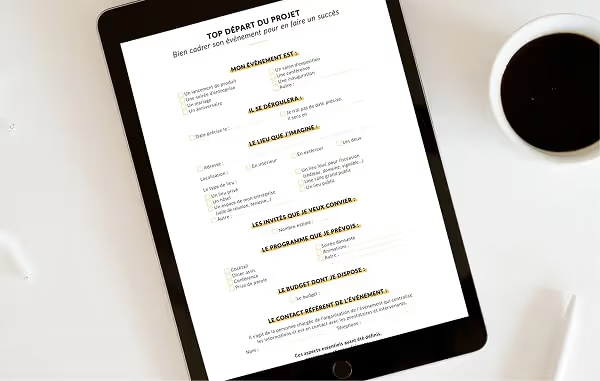
Discover the Atawa Guide
The Atawa Guide is the new essential tool for organizing your events: from launching your project to bringing it to life, no detail has been overlooked to ensure your event's success.